Compreendendo os diferentes tipos de teste de solidez da cor
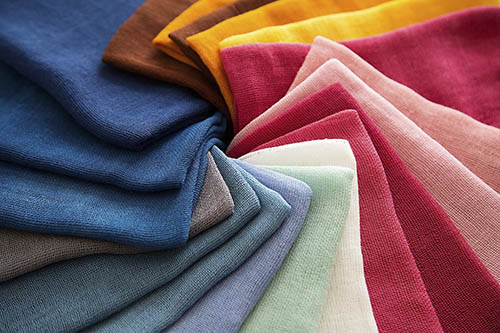
Testes de solidez da cor são procedimentos de avaliação que medem a estabilidade dos corantes para ajudar você a avaliar a durabilidade da cor do tecido. Eles vêm em diferentes tipos, princípios de teste e protocolos padrão, oferecendo diferentes opções de escolha. As propriedades do material e os requisitos de aplicação do seu tecido determinam o tipo de teste de solidez da cor a ser escolhido.
Quais são os diferentes tipos de teste de solidez da cor?
Vamos considerar os diferentes tipos de teste de solidez da cor disponíveis e como eles funcionam.
Teste de solidez à luz
Este teste de solidez da cor é o mais indicado quando você deseja avaliar a resistência ao desbotamento de tecidos expostos à luz. Esses testes de exposição à luz replicam condições de luz solar natural, podendo ser chamados de testes de envelhecimento à luz. Além disso, eles devem ter a capacidade de simular irradiância controlada para garantir resultados de teste confiáveis e repetíveis.
Quando realizado corretamente, um teste de solidez à luz gera dados precisos de alteração de cor, utilizando uma fonte de luz de arco de xenônio padronizada para fornecer resultados que correspondem ao desempenho real em ambientes externos.
Teste de solidez à lavagem
Você pode encontrar testes de solidez à lavagem em diferentes protocolos padrão que funcionam bem com vários tipos de tecidos e outros materiais têxteis. Esses testes de solidez da cor à lavagem podem ajudar tanto em verificações internas de qualidade quanto em certificações de terceiros, auxiliando na conformidade do produto e na verificação de qualidade.
Além disso, esses testes podem ajudar a validar a durabilidade da lavagem de peças, avaliar a transferência de cor entre tecidos e apoiar o desenvolvimento de novos produtos na pesquisa e desenvolvimento de novas formulações de detergentes, entre outros.
Teste de solidez à fricção (crocking)
Se você é fabricante de roupas, verifica a transferência de cor superficial ou trabalha com controle de qualidade têxtil, pode usar um teste de solidez à fricção no seu processo de garantia de qualidade. Este teste segue configurações padronizadas de curso e pressão, permitindo fácil avaliação do desempenho de transferência de cor a seco e a úmido.
Além disso, você pode usá-lo para testar tecidos planos e estampados. O teste também utiliza um pano padrão de fricção para capturar o corante transferido. Portanto, assim que você completa os ciclos de fricção especificados, deve remover o pano de teste do suporte da amostra, comparar a mancha com a escala de cinza e registrar a nota para ajudar a documentar os resultados do teste de solidez da cor do tecido.
Teste de solidez à transpiração
Esses testes de solidez da cor funcionam perfeitamente com tecidos de vestuário e, às vezes, com materiais de couro. Os testes de solidez à transpiração são conhecidos por avaliar a estabilidade da cor sob exposição ao suor, sendo as amostras preparadas sob condições controladas de pH. Além disso, você pode identificar esses testes por meio de soluções artificiais de suor padronizadas usadas no ensaio. Essas soluções apresentam fórmulas ácidas e alcalinas precisas e são ótimas para verificação de qualidade de roupas esportivas e roupas íntimas. Seus resultados também são muito confiáveis em comparação com outros métodos informais de teste.
Teste de solidez à água
Os testes de solidez à água utilizam um procedimento de imersão padronizado que ajuda a avaliar a estabilidade da cor do tecido quando exposto à água. Este é um processo muito preciso que garante que os resultados reflitam condições reais de umidade. Eles geralmente são usados para testar tecidos de vestuário do dia a dia, enquanto alguns protocolos estendidos podem envolver imersão prolongada em água.
Além disso, observe que você deve realizar o teste em temperatura ambiente controlada, garantindo a aplicação de pressão consistente sobre as amostras empilhadas. Quando você usa preparação incorreta das amostras ou configurações de pressão inadequadas, isso pode distorcer os resultados do teste.
Teste de solidez à ozônio
Os testes de solidez ao ozônio têm uma finalidade específica: testar a resistência da cor à exposição ao ozônio atmosférico. O ozônio é descrito como um poluente gasoso reativo que causa desbotamento gradual em certos tipos de corantes, especialmente índigo e tecidos denim.
Ao expor as amostras a concentrações controladas de ozônio, você pode medir o grau de alteração da cor. Isso permite verificar se o tecido atende aos requisitos de durabilidade para ambientes externos e industriais.
Teste de solidez ao calor e sublimação
Os testes de scorch e sublimação são ótimos para avaliar a transferência de cor relacionada ao calor em tecidos. Você pode usá-los com equipamentos de prensa térmica padrão; no entanto, é recomendável utilizá-los em configurações de temperatura precisas. Ao testar a solidez à sublimação, você deve usar tecidos adjacentes para garantir que a cor transferida possa ser claramente avaliada.
Além disso, você pode testar tecidos tratados termicamente utilizando temperaturas elevadas. No entanto, isso deve ser feito sem exceder o ponto de fusão do tecido e com uma duração de contato padronizada.
Teste de solidez à fricção Gakushin
A principal função do teste de solidez à fricção Gakushin é sua capacidade de fornecer resultados altamente repetíveis de abrasão e transferência de cor. Isso é possível devido ao curso fixo e ao peso padronizado presentes no sistema de teste. Este teste é adequado para avaliar couro, materiais impressos e tecidos industriais, ajudando a verificar a durabilidade da superfície e o desempenho da cor.
Além disso, você pode encontrar opções de peso ajustável em vários sistemas de teste Gakushin, garantindo que você defina a pressão do teste previamente.
Equipamentos principais para testes de solidez da cor
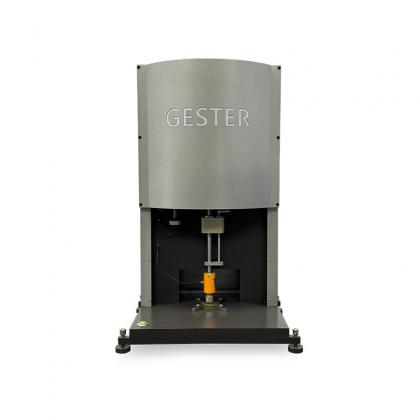
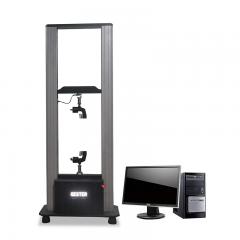
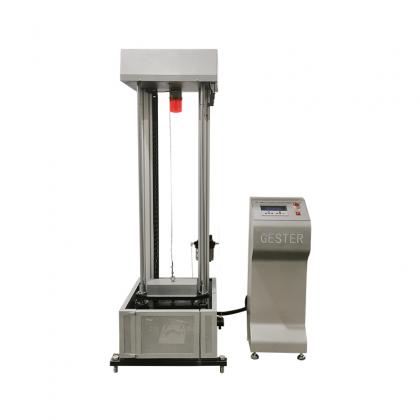
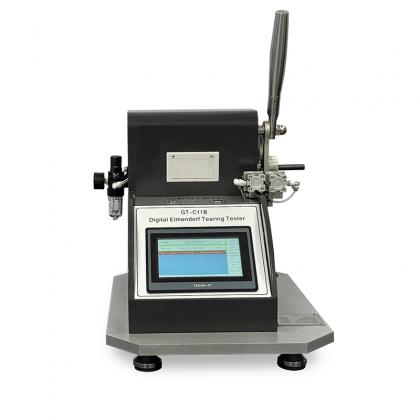
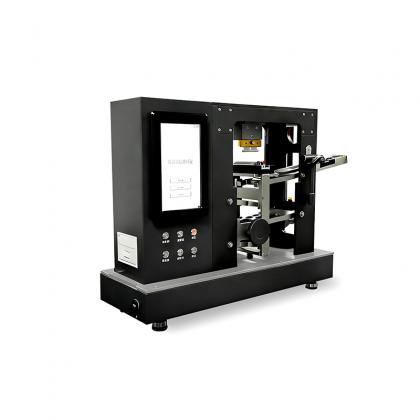
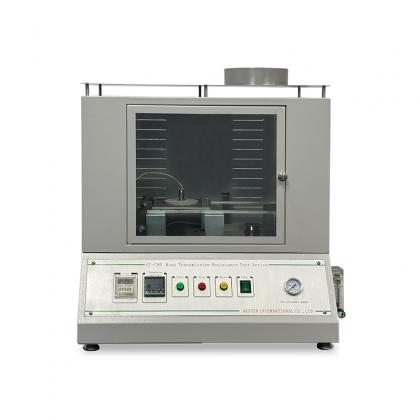
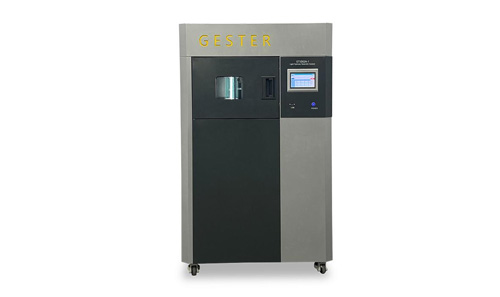
Existem diferentes tipos de máquina de teste de solidez da cor com base em suas configurações técnicas e níveis de desempenho.máquina de teste de solidez da cor com diferentes configurações técnicas e níveis de desempenho. Cada um desses modelos de testador de solidez da cor possui propriedades funcionais próprias. Além disso, você pode usar cada um em diferentes cenários de teste. No entanto, é crucial entender onde usar essas máquinas de teste e como elas funcionam.
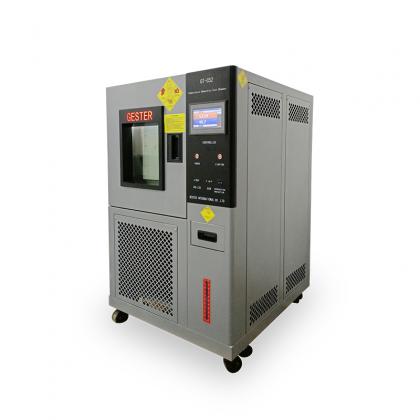
Testador de solidez à luz com resfriamento a água GT-3000
Máquinas de teste construídas com sistemas de arco de xenônio refrigerados a água oferecem o mais alto nível de capacidade de simulação ambiental. Você pode usar esses testadores para envelhecimento de espectro completo e testes de solidez da cor de tecidos. Isso os torna adequados para uso em pesquisa e desenvolvimento de alto nível e laboratórios industriais. No entanto, são muito caros, tornando-os menos preferidos para controle de qualidade em pequena escala.
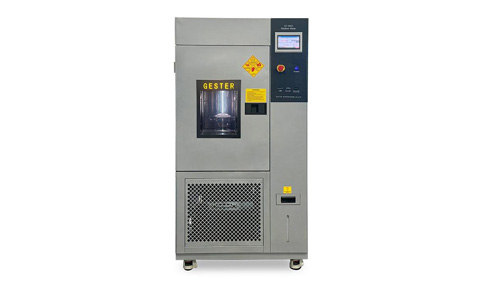
Testador de solidez à luz com resfriamento a ar GT-D02-1
Os sistemas refrigerados a ar usados nesses testadores podem ser de nível básico ou profissional, dependendo da potência da lâmpada e da precisão de controle integrada.
Os testadores de nível profissional com resfriamento a ar passam por calibração de precisão, na qual a irradiância é ajustada de acordo com padrões internacionais. Esse processo os torna confiáveis. Você pode usar essas máquinas em testes padrão de solidez à luz e envelhecimento de tecidos.
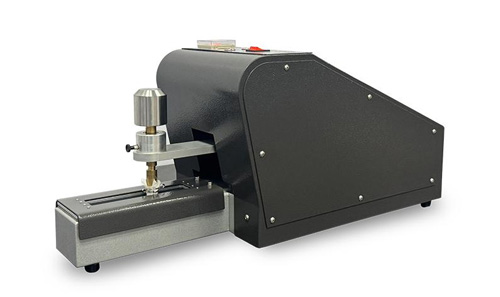
Crockmeter eletrônico GT-D04
Sistemas de controle eletrônico são uma configuração popular usada em máquinas de teste de solidez da cor à fricção devido à sua alta repetibilidade. No entanto, eles são mais eficientes do que os crockmeters manuais. Os crockmeters eletrônicos são versáteis, podendo ser usados em quase todos os tipos de testes de solidez à fricção de tecidos.
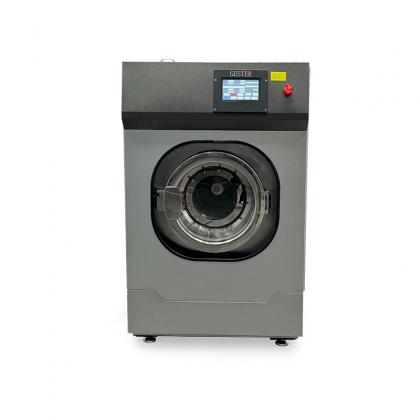
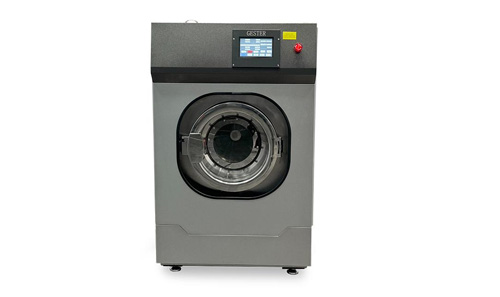
Testador automatizado de solidez à lavagem GT-D34
Este tipo de máquina de teste de solidez da cor é construído com múltiplos sistemas de controle integrados. Devido à combinação de controle preciso de temperatura, velocidade e tempo em sua operação, essas máquinas fornecem resultados extremamente precisos, consistentes e repetíveis. Além disso, são resistentes ao desgaste e suportam operação contínua de longo prazo. Essas máquinas podem trabalhar com alta capacidade de testes. Você pode usá-las para testes de solidez da cor de tecidos em grande volume em laboratórios acreditados.
Outros testadores de solidez da cor
Essas máquinas de teste fornecem resultados altamente precisos devido ao seu design dedicado para cenários de teste específicos. Você pode usá-las para testes especializados de solidez da cor, como ozônio, calor e sublimação. Além disso, esses testadores mantêm condições estáveis de teste mesmo sob operação prolongada em alta temperatura.
Como escolher o teste de solidez da cor adequado
Como existem uma ampla variedade de testes de solidez da cor disponíveis, pode ser difícil escolher o mais adequado para sua aplicação. É importante considerar alguns fatores antes de escolher um teste de solidez da cor para seu próximo projeto de controle de qualidade.
Normas de conformidade e objetivo do teste
Ao escolher o teste de solidez da cor mais adequado para seu projeto, sempre considere as normas de conformidade exigidas. O padrão de teste seguido tem impacto significativo na validade dos resultados e na aceitação do mercado. Além disso, cada uma dessas normas possui parâmetros e critérios de avaliação distintos. Embora a série ISO 105 seja compatível com a maioria dos mercados têxteis globais, os padrões AATCC são mais adequados para o mercado norte-americano.
Material do tecido e cenário de uso final
Antes de escolher um método de teste adequado às suas necessidades, você precisa considerar o material do tecido e seu cenário de uso final. O tecido que você está testando pode ser algodão, poliéster, tecido misto, couro ou até têxteis revestidos. Por exemplo, você pode usar testes de fricção e de solidez à lavagem em roupas do dia a dia, enquanto testes de envelhecimento à luz são ideais para tecidos externos. Você precisa ter certeza do material e da aplicação antes de escolher o tipo de teste.
Configuração do equipamento e eficiência de teste
As configurações dos equipamentos podem melhorar a eficiência do seu teste de solidez da cor do tecido. Um bom exemplo é um crockmeter eletrônico com controle automático de ciclos. Essas máquinas de teste geralmente oferecem maior produtividade devido à operação automatizada. Portanto, você pode usá-las para testes de solidez da cor em grandes volumes.
Conclusão
Os testes de solidez da cor desempenham um papel fundamental no controle de qualidade e na verificação de desempenho de produtos têxteis. Esses procedimentos fornecem dados padronizados e confiáveis para diferentes tipos de requisitos de durabilidade na produção de tecidos.
Eles são suportados por diferentes equipamentos de teste e seguem diversas normas internacionais.
Além disso, possuem propriedades, funções e aplicações distintas. Ao escolher os tipos de teste de solidez da cor para seus projetos, certifique-se de considerar todos os fatores necessários. Para ajudá-lo a fazer a escolha certa, entre em contato conosco em GESTER hoje e você ficará satisfeito com sua escolha.



 português